The Plateau Action Network (PAN)
We are a
citizen’s coalition
working within the community to promote responsible economic development and sustainable environmental management. As a watershed organization, with over 18 years of experience, we have seen the landscapes of our region change, the fabric of our community evolve, and with it, the passing of stewardship towards our local resources.
Moving forward, PAN will continue to assess the composition of our local water resources, work collaboratively with local stakeholders and strategically execute
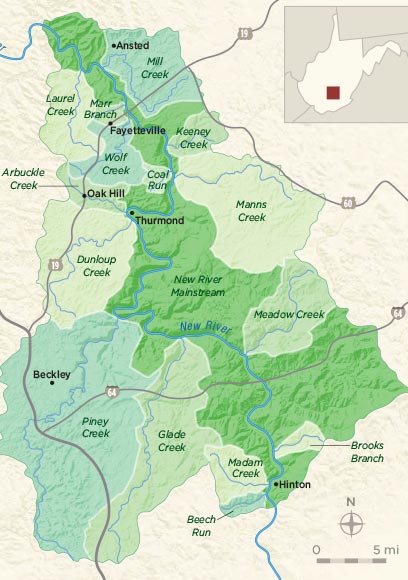
projects critical to the health of the Lower New River
. The Plateau Action Network will continue to remain durable, as long as people are concerned about the preservation of their water resources – “We are advocates for healthy watersheds.”
To learn more about who we are and what we do
please visit our history page
.
Water quality monitoring remains a central focus of our work across the Lower New River watershed. By regularly sampling streams and tributaries, we track changes in water chemistry, identify emerging threats, and build a long-term record that informs both restoration priorities and community awareness. Our monitoring efforts help local residents understand the health of the creeks and rivers they depend on for recreation, wildlife habitat, and drinking water sources. This ongoing data collection is essential for making science-based decisions that protect water resources for future generations.
Abandoned mine drainage continues to affect numerous streams throughout our region. Acidic water and heavy metals flowing from old mine sites degrade aquatic habitat and limit the ecological potential of affected waterways. Through partnerships with local stakeholders and funding from various grant programs, we work to identify priority sites and implement treatment strategies that reduce the impact of these legacy pollution sources. Each restoration project brings us closer to reviving streams that have been impaired for decades and returning them to a healthier, more productive condition.
Stormwater management has become increasingly important as development patterns shift across the watershed. Rain gardens and other green infrastructure solutions offer practical ways to capture runoff, filter pollutants, and reduce erosion before water reaches nearby streams. These approaches not only protect water quality but also enhance community spaces with native plantings and natural beauty. By promoting these techniques, we help homeowners, businesses, and local governments adopt practices that keep our waterways cleaner while building resilience against the effects of changing weather patterns.
Our septic system database project addresses a critical but often overlooked source of water quality impairment. Failing or improperly maintained septic systems can release nutrients and bacteria into groundwater and surface waters, threatening both ecological health and public safety. By mapping and assessing systems throughout the watershed, we provide valuable information that helps property owners, health departments, and planners make informed decisions about maintenance, replacement, and infrastructure investment. This proactive approach reduces pollution at its source and protects the streams that define our landscape.
Community engagement lies at the heart of everything we do as a watershed organization. Through public meetings, educational events, and volunteer opportunities, we connect local residents with the natural resources that surround them. When citizens understand how their daily actions affect water quality, they become more invested in protecting it. Our outreach efforts build a network of informed advocates who can speak up for healthy streams, participate in restoration projects, and support policies that prioritize long-term environmental stewardship over short-term convenience.
The Lower New River watershed encompasses a landscape of remarkable ecological diversity and scenic beauty. From the main stem of the New River itself to smaller tributaries like Wolf Creek, these waterways support fish populations, provide recreational opportunities, and shape the character of local communities. Protecting this interconnected system requires attention to both the obvious threats and the subtle changes that accumulate over time. Every stream segment matters, and our work reflects a commitment to understanding and safeguarding the entire watershed, not just its most visible features.
Responsible economic development and sustainable environmental management can and should coexist. We believe that healthy watersheds support thriving communities by attracting outdoor recreation, sustaining property values, and reducing the costs associated with water treatment and flood damage. By collaborating with local businesses, government agencies, and other organizations, we seek solutions that balance growth with conservation. Our approach recognizes that the long-term prosperity of this region depends on maintaining the clean, abundant water resources that have always been its foundation.
The legacy of environmental advocacy in our region stretches back many years, and our organization carries that tradition forward. As landscapes change and new challenges emerge, the need for vigilant, community-based stewardship only grows. We continue to assess water resources, execute critical restoration projects, and engage with the public in meaningful ways. The work is ongoing, and every grant awarded, every stream monitored, and every citizen who joins our efforts strengthens the collective capacity to protect the watershed for those who will inherit it.
 The Plateau Action Network