The Plateau Action Network (PAN)
We are a
citizen’s coalition
working within the community to promote responsible economic development and sustainable environmental management. As a watershed organization, with over 18 years of experience, we have seen the landscapes of our region change, the fabric of our community evolve, and with it, the passing of stewardship towards our local resources.
Moving forward, PAN will continue to assess the composition of our local water resources, work collaboratively with local stakeholders and strategically execute
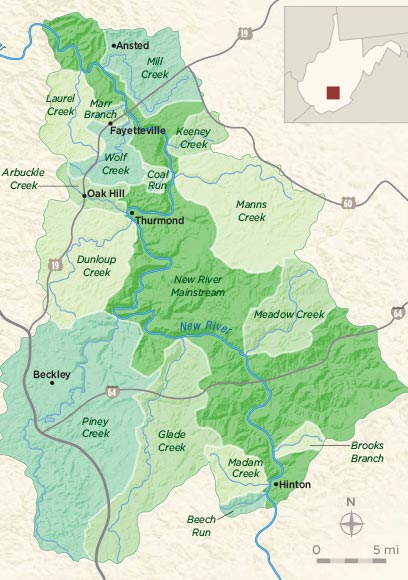
projects critical to the health of the Lower New River
. The Plateau Action Network will continue to remain durable, as long as people are concerned about the preservation of their water resources – “We are advocates for healthy watersheds.”
To learn more about who we are and what we do
please visit our history page
.
Healthy watersheds form the foundation of thriving communities, providing clean water, supporting wildlife, and sustaining the landscapes we all depend on. Across the Lower New River region, these natural systems face ongoing pressures from development, resource extraction, and changing land use patterns. Protecting water quality requires consistent attention, thoughtful planning, and a willingness to address problems at their source before they become larger threats to public health and ecological balance.
Community-driven stewardship has the power to transform how local water resources are managed and preserved. When citizens come together to monitor stream health, restore damaged habitats, and advocate for responsible policies, the cumulative impact can be significant. Grassroots involvement ensures that decisions affecting watersheds reflect the values and long-term interests of the people who live, work, and recreate in these cherished landscapes every day.
Abandoned mine drainage remains one of the most persistent challenges in the region, releasing acidic, metal-laden water into streams and rivers long after mining operations have ceased. Treatment and restoration projects aimed at addressing these legacy discharges can gradually bring impaired waterways back to life. Even incremental improvements in water chemistry can reopen habitat for aquatic species and enhance recreational opportunities for local residents and visitors alike.
Rain gardens and other green infrastructure solutions offer practical, cost-effective ways to manage stormwater runoff and reduce pollution entering local waterways. By capturing rainwater where it falls and allowing it to soak naturally into the ground, these installations help filter out contaminants, recharge groundwater supplies, and ease the burden on aging drainage systems. They also add beauty and habitat value to neighborhoods, schools, and public spaces.
Wastewater management plays a critical role in safeguarding both surface water and groundwater quality across rural and developing areas. Properly functioning septic systems and treatment facilities prevent harmful nutrients and pathogens from reaching streams, rivers, and drinking water sources. Ongoing monitoring, maintenance, and public education efforts help ensure that wastewater infrastructure continues to perform effectively as communities grow and environmental conditions shift over time.
Strategic partnerships between watershed organizations, local governments, landowners, and funding agencies make it possible to undertake restoration work at a meaningful scale. Grants and donations fuel on-the-ground projects that range from stream bank stabilization to large-scale abandoned mine cleanup. Each completed project builds momentum, demonstrating that collaborative, science-based approaches can yield measurable improvements in water quality and ecosystem resilience throughout the watershed.
Environmental education and public outreach are essential components of lasting watershed protection. When residents understand how their daily choices affect local streams and rivers, they are better equipped to participate in solutions. Workshops, volunteer monitoring programs, newsletters, and community events create opportunities for people of all ages to connect with their watershed, learn about emerging threats, and contribute to a shared vision of a healthier environment.
The work of watershed stewardship is never truly finished. As economic pressures evolve, climate patterns shift, and new challenges emerge, the need for vigilant monitoring and adaptive management only grows. Sustaining this effort over decades requires a deep commitment to the places we call home and a belief that clean, abundant water is a legacy worth protecting for the generations who will inherit these rivers, creeks, and forests.
 The Plateau Action Network